
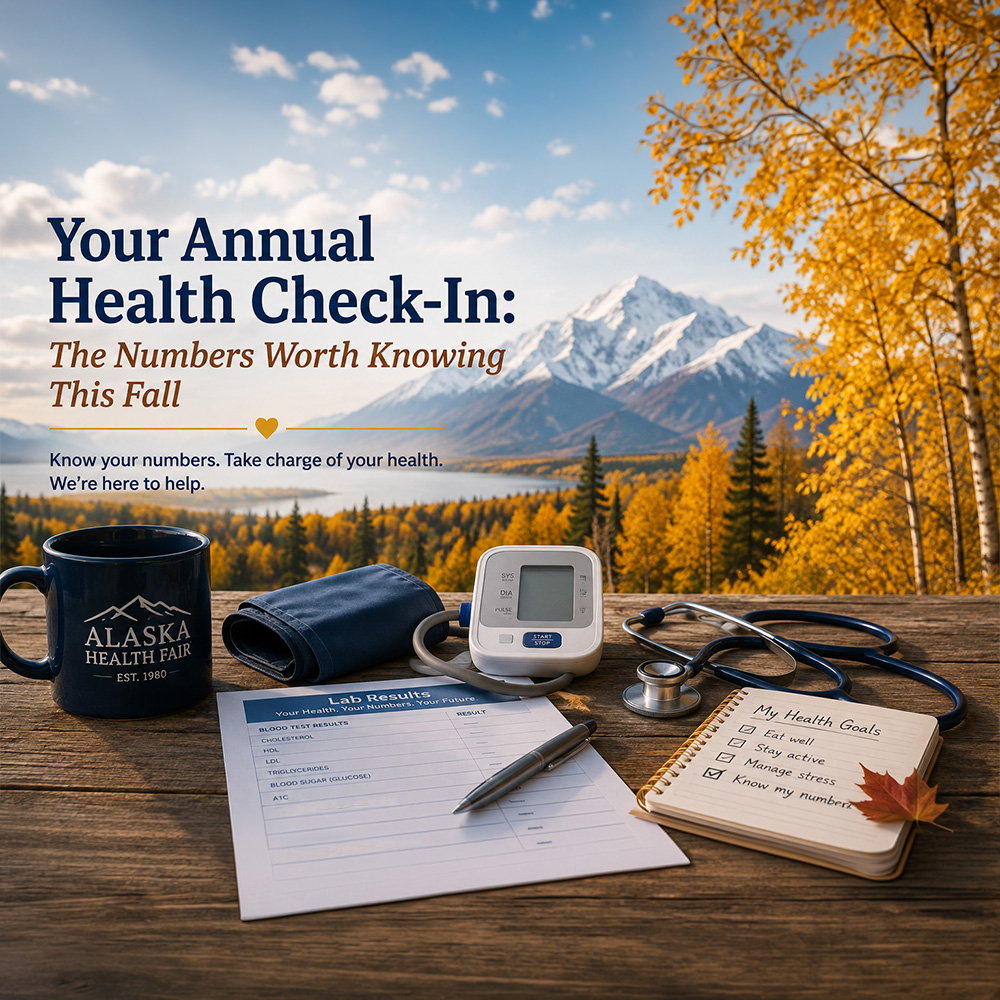
The Numbers Worth Knowing This Fall
Fall has a way of getting us back into a routine. Summer winds down, schedules fill up, and suddenly we’re thinking about everything that needs to get done before winter arrives.
We keep track of numbers all day long—bank balances, gas prices, steps on our watches, the temperature outside.
But what about your numbers?
Your blood pressure, cholesterol, blood glucose, and routine lab results can tell you a lot about what’s happening inside your body—even when you feel perfectly fine.
That’s why fall is a great time for a simple health check-in.
Know Your Numbers
Blood Pressure
High blood pressure often has no obvious symptoms. Knowing your blood pressure—and checking it regularly—can help you and your healthcare provider recognize changes over time.
Cholesterol
Cholesterol testing provides information about fats in your blood, including LDL, HDL, and triglycerides. These numbers can help give you a better picture of your cardiovascular health.
Blood Glucose & A1C
Blood glucose measures the amount of sugar in your blood at the time of testing, while A1C provides a picture of your average blood glucose over the past several months. These tests can help identify changes associated with prediabetes and diabetes.
Routine Blood Work
Routine laboratory testing can provide valuable information about many areas of your health. Depending on the tests you choose, results may provide information about things such as kidney and liver function, thyroid health, blood cells, and more.
One Result Is a Snapshot. Your Trend Tells a Story.
There’s another reason we encourage people to know their numbers: your baseline matters.
One set of results tells you where you are today. Having results from year to year can help you see whether your numbers are staying consistent or beginning to change.
Maybe your cholesterol has slowly increased. Maybe your blood glucose is creeping upward. Or maybe your numbers have improved after changes you’ve made to your diet, activity, sleep, or other health habits.
Those trends can be valuable information to bring to your healthcare provider.
What Does “Normal” Mean for Me?
Laboratory reports include reference ranges, but health isn’t quite as simple as being either “inside” or “outside” a range.
Your age, medical history, medications, family history, and other factors can all affect how a healthcare provider interprets your results.
That’s why we encourage participants to keep their results, compare them over time, and share them with their healthcare provider.
The goal isn’t to diagnose yourself from a piece of paper.
The goal is to be informed about your own health.
You Don’t Have to Feel Sick to Check In
It’s easy to put health screenings at the bottom of the list when you’re feeling good.
But many health conditions can develop without obvious symptoms at first. Routine screenings and preventive care can help identify changes earlier and give you an opportunity to talk with your healthcare provider about what those changes may mean.
Think of it like maintaining anything else you depend on.
You wouldn’t necessarily wait for the warning light to come on before checking the oil.
Your health deserves the same attention.
Your Numbers Are Only Part of the Picture
Good health isn’t about chasing a perfect number.
How you sleep, what you eat, how much you move, your stress level, family history, medications, and many other factors contribute to your overall health.
So use your numbers as information—not a grade.
They give you another tool to help ask questions, make informed choices, celebrate improvements, and recognize when it might be time to check in with your healthcare provider.
We Make It Easier
For decades, Alaska Health Fair has helped Alaskans take a more active role in their health by bringing affordable blood testing, health education, and screenings into communities across our state.
Our goal is simple: make it easier for you to access health information and become an active participant in your own healthcare.
Whether you’ve been coming to Alaska Health Fair for years or this will be your first visit, fall is a great time to establish—or update—your health baseline.
Before Winter Gets Busy…
Put one more thing on that fall checklist:
You.
Make time for your annual health check-in. Keep a copy of your results. Look at how your numbers compare with previous years. And if something has changed—or you have questions—talk with your healthcare provider.
This fall, make yourself part of your to-do list.
KNOW YOUR NUMBERS. KNOW YOUR HEALTH.
For educational purposes only. Health fair screenings and laboratory testing are not a substitute for medical advice, diagnosis, treatment, or routine care from your healthcare provider.